顯示具有 其它作業系統 標籤的文章。 顯示所有文章

2014-12-26

北韓的 Red Star OS 3.0 作業系統

大家可能知道最近網路界熱門的就是米國和韓國的網路 PK 戰了(雖然雙方都不承認)。

可能會很好奇,北韓使用哪種作業系統呢?

不妨參考以下連結:

North Korea’s Red Star Linux goes for a Mac OS X look

☞ North Korea’s Red Star OS goes Mac

☞ 英文 WIKI


2014-12-10

Fedora 21 released 並可下載了

Fedora 21 發表並可下載了。

有 Server、workstation、cloud 三種版本可下載。

整合了 Gnome 3.14,一些特性:
  • support for system-wide multitouch gestures (for touchscreen devices only);
  • new interactive inspector for GTK+ (can be invoked using Ctrl+Shift+I);
  • improved support for Wi-Fi hotspots - when connecting to a Wi-Fi portal that requires authentication, GNOME will now automatically show the login page as a part of the connection process;
  • network-based sharing (WebDAV, DLNA and VNC will now remember which network you want them to be active on);
  • enhanced geolocation framwork with the use of Mozilla's Location Service for 3G and network-based positioning;
  • new design for Evince, Videos (Totem) and Gedit, which are now in line with the other GNOME apps (they now use header bars, redesigned tabs, etc.);
  • Adwaita, the default GNOME (and Fedora) theme, was overhauled and it now includes improved message dialogs, a new more compact appearance for the progress bars, redesigned spinners and a new look for the menus and switches. Also, many controls now have animated transitions.
  • GNOME Weather has a new layout and the app makes use of GNOME's new geolocation framework to automatically show the weather for your current location.
  • Maps was updated with a route planning feature which allows you to plan journeys by foot, bicycle or car.
  • proper HiDPI support;
  • various Wayland improvements.
詳情或相關圖片請參考 ☞ FEDORA 21 AVAILABLE FOR DOWNLOAD

2014-10-30

各家 OS 目前的使用狀況

可能大家都很好奇,目前各種 OS 的使用狀況。在以下連結,有從 2003 - 2014(1-9 月)的統計資料,給大家參考一下:
☞ http://www.w3schools.com/browsers/browsers_os.asp

有趣的是 GNU/Linux 的歷年統計,由 2003 年的 2%+ 到 2014 的 5%+。看來使用 GNU/Linux 的人也滿多的。


2014-10-29

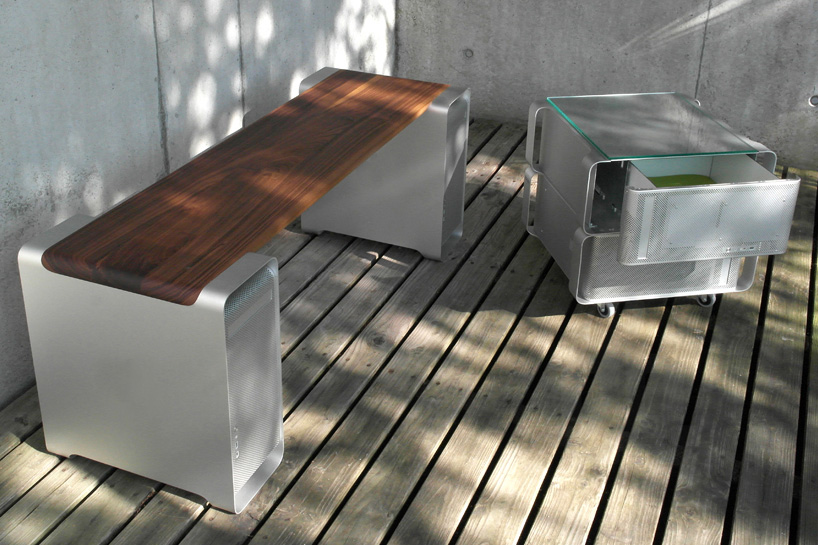
頭好壯壯的 MAC Desktop

Mac 的電腦價格雖然....

但或許真的應驗了那句話:"一分錢一分貨"

現在 PC 的機殼有辦法這樣嗎?

以下圖片來至下面的連結,該網站有更多的圖片可供好好欣賞:


2006-02-27

[轉貼]Minix 3 : Minix 哪裡去?原作者:ols3

Minix 3 : Minix 哪裡去?
發表人 ols3 於 2006/2/27 11:03:26 (713 人讀取)
Minix 3

若大家對當初 Linus 先生發展 Linux 的歷史稍有認識,
應該會知道 Minix 這套作業系統對設計 Linux 的影響。

Minix 的原意是 Micro UNIX,是一種迷你版的 UNIX 系統,
作者是荷蘭阿姆斯特丹Vrije大學的Andrew S. Tanenbaum教授。

類似的作業系統還有許多,
這些 UNIX clone 都是重新設計的,並未使用到 AT&T 的程式碼。

同樣的 Linux 雖是參考 Minix,但也沒有用到 Minix 的程式碼,
而且二者對核心的發展看法,大相逕庭。

Linux 採用單一化核心(monolithic kernel),而 Minix 則是使用微核心(micro kernel),
二者曾在網路上有過一番精采的激辯。

時至今日,這事仍為人所津津樂道,有興趣的人可參考:
http://www.dina.dk/~abraham/Linus_vs_Tanenbaum.html

對於軟體授權,二者也有很大的差異。
Linux 採用 GPL,而 Minix 一開始卻採用比較封閉的低收費政策,
由於 Minix 初期的策略錯誤,在 Linux 出現後,大部份的開發人員便轉向 Linux 平台。

雖然 Minix 在 2000 年改採 BSD 授權,但大勢已去,
它已失去成為被人廣泛使用的作業系統的時機。

那麼,今日的 Minix 哪裡去了?
之前 Minix 做為一個作業系統教學的目的始終沒有太大的改變,
不過,如今情況已有所改變,在 Andrew 撰寫的教科書第三版
Operating Systems Design and Implementation, 3/E
中提到了 Minix 3。


Minix 3 是一個新的開放原始碼的作業系統,設計的精神則基於穩定、彈性、安全。
整個核心相當地小,實際載入執行的程式碼不過4000條。

Minix 3 和之前的 Minix 1,2 二版有許多關鍵點不同,Minix 1 和 2 主要做為教學用的工具,
而 Minix 3 則加入了一個新的發展目標,它意欲成為開發手持行動設備及家用設備嵌入式運作環境下的一個穩定嚴謹的作業系統。

Minix 3 的適用目標條列如下:

1. 應用程式需要高度穩定性者
2. 單晶片、低記憶體、低電力,以及100美元的筆記型電腦專案
3. 嵌入式的系統 (比如: 相機、DVD撥放器、手持行動設備等)
4. 認為 GPL 授權太嚴格者 (MINIX 3 使用 BSD 授權)
5. 教育用途 (比如: 大學計算機系中的作業系統課程)

Minix 3 的硬體需求不高:

386, 486, 或 Pentium 以上相容的 CPU
16MB RAM
* 50MB 硬碟安裝空間,整個包含原始碼則建議要有 600MB 的空間。

Minix 3 採用 Live CD 發行(也可以安裝到硬碟),下載位址:

http://www.minix3.org/download/

Minix 3 網址如下,有興趣的朋友不妨去瞧瞧。

http://www.minix3.org/

----
OLS3 撰文。